
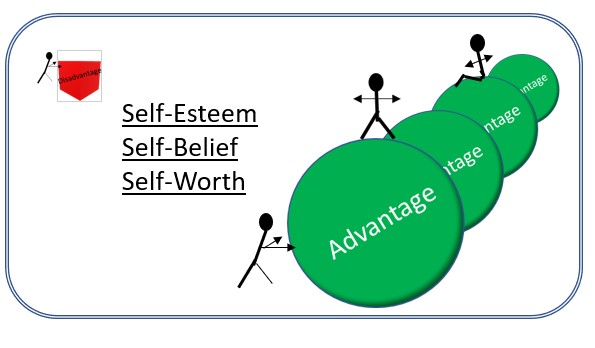
Every year, without fail, the opening sequence of The Apprentice treats us to a masterclass in high self-esteem, self-belief and self-worth. Presented before us, we inevitably see, a dozen relatively young (and as it always transpires) inconceivably naïve people, who fail to convince us, but almost certainly convince themselves, that they are the most sought-after person in the world when it comes to running a multi-million pound business. Incredibly, even after a number of gruelling weeks, when it has been established time-after-time, that they are definitely lacking common sense and probably the necessary skills to impress Sugars’ advisors, they still leave in the taxi not only grumbling that it is Lord Sugar who has made a mistake, but without even the slightest chink in their armour of self-belief. How?
What is self-esteem?
According to mind.org.uk:
Self-esteem is how we value and perceive ourselves. It’s based on our opinions and beliefs about ourselves, which can feel difficult to change. We might also think of this as self-confidence.
Your self-esteem can affect whether you:
- Like and value yourself as a person
- Can make decisions and assert yourself
- Recognise your strengths
- Feel able to try new or difficult things
- Show kindness towards yourself
- Move past mistakes without blaming yourself unfairly
- Take the time you need for yourself
- Believe you matter and are good enough
- Believe you deserve happiness
According to Sarah Vanbuskirk “It’s easy to discount the importance of having high self-esteem. However, having positive personal regard can be the difference between feeling good about and taking care of yourself and not”
High Self Esteem
High self-esteem brings positivity; the self-confidence to create dreams and aspirations and the self-belief to works towards those goals, and to realise them.
People can gain high self-esteem through self-affirmation but more frequently through the affirmed approval of others. This week, I asked a Year 5 class why some people have really high self-esteem and others do not. The best response of the day was this:
“Some people just believe in themselves because they don’t have any reason not to. Not yet.”
This response is fantastic in two ways. Firstly, this child identified that some people are extraordinarily secure and confident in their own self-belief because their self-worth is being reaffirmed every day by other people around them. At home and in school, some children are being given positive feedback continually – and they are growing with that.
Their life experiences are predominantly positive, their friendships and social experiences are predominantly positive. The net result is the glow of self-assured value that we see in those candidates on The Apprentice.
The second reason why this response was so intuitive was that the child suffixed the comment with the words, “Not yet.”
There’s an understanding here that there is a balance to life and that every positive interaction will be balanced with a negative interaction.
How we deal with the negatives, is hugely dependent on the strength of positive affirmation. For those who are securely wallowing in real-time adoration, negativity can easily be brushed off or ‘spun’ into a positive narrative.
For those children whose early life has been beset by challenges and loss, finding meaningful positives is a much more threatening battle.
Social media has become the ‘go to’ comfort blanket for building self-esteem for many people, young people in particular but can the positive joy of thousands of ‘likes’ and love hearts on social media compensate for the lack of understanding and belief from your closest friends and family? Social media is a hollow route to self-affirmation, but if it’s all you have, the appeal is going to be undeniably alluring.
Low self-esteem
At the other end of the spectrum lies Low Self-Esteem, which lurks like a per-soup fog. Low self-esteem creates negativity, anxiety, fear and uncertainty and erodes determination and ambition.
According to Self Esteem – Lanc UK
Children with low self-esteem:
- Have a negative image of themselves and may feel bad, ugly, unlikeable or stupid.
- Lack confidence.
- Find it hard to make and keep friendships, and may feel victimised by others.
- Tend to avoid new things and find change hard.
- Can’t deal well with failure.
- Tend to put themselves down and might say things like “I’m stupid” or “I can’t do that” (before they have tried).
- Are not proud of what they achieve and always think they could have done better.
- Are constantly comparing themselves to their peers in a negative way.
Faced with a murky fog of negativity, children with low self-esteem are facing huge social and emotional barriers before they even attempt to grapple with the demands of the curriculum. So much so, that when we are talking about closing gaps in maths and literacy, and wondering what the ‘quick fix’ might be, we need to be aware that firstly there is no quick fix, and secondly that there is an enormous amount of work to be done before some people are ready to take on the challenge.
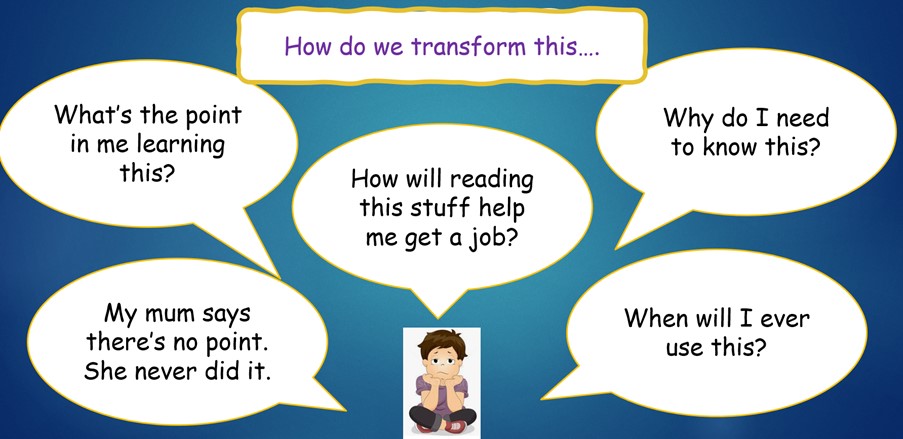
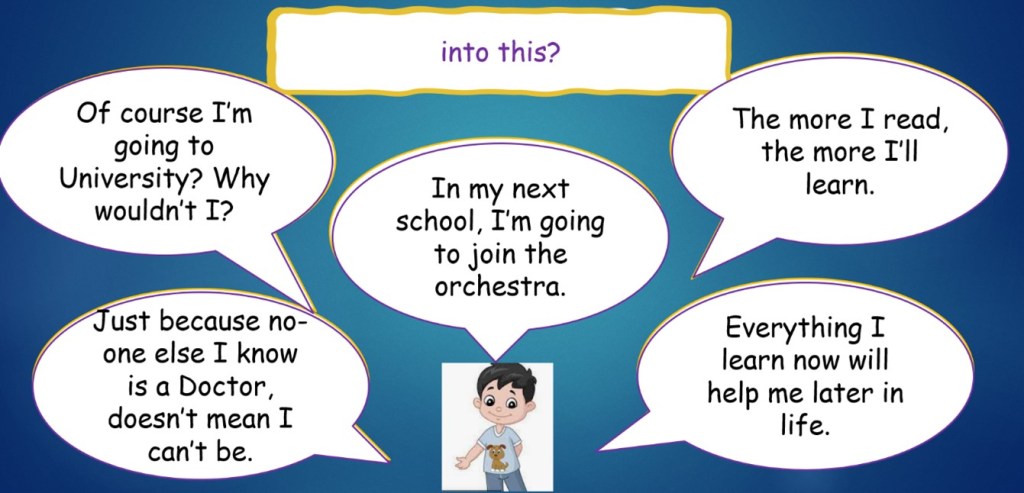
- Build a support network
Whilst in schools, we work tremendously hard to develop every child’s self-belief and self-esteem, this is not going to be a sustainable platform for them without the support of parents and friends. This links back to my discussion on high aspirations. If parents understand and support high aspirations and help to generate positivity, this will have a much deeper impact.
Friends are important. The social media affirmation is important. Children who are liked (even virtually) will feel valued. In Primary Schools, Social media should be less important that physical friendships and helping children learn how to be a friend and how to keep a friend is the first step.
- Focus on strengths
Children with low self-esteem already know what all of their weaknesses are, so build on the strengths. Find their strengths. Positive praise, stickers and a smile, go a long way in developing a positive ethos. Don’t over do it! While genuine praise, in small steps work well, lavish unsubstantiated over-praise has the opposite effect. Every child wants to be acknowledged but at the same time, they want to be acknowledged for what they have done well not just given praise for praise’s sake.
- Show them what’s possible. As with high aspirations, it’s impossible to develop a sense of where you really fit in, if you don’t know where you’re going. Without clear direction and a sense of the possible benefits of growth and development, how can you fight your way out of the dark cloud? Show them where the light at the end of the tunnel is and provide guidance to get there.
People with high self-esteem and self-belief always know exactly where they’re going in life; who they need to impress; how they need to do this and what they will achieve at the end. Many people work very hard to achieve these goals and discover that it becomes a self-fulfilling prophecy. The more you work towards a goal, the more you achieve and the better you feel!
No-one who enters The Apprentice does so without believing that they should be Lord Sugar’s business partner. None of the people who enter, have done so on a whim. They have all put in many hours in their chosen business sector to have the initial understanding of what they need to do to achieve their dreams. So, whilst we watch and wonder with amazement as they tell us about their many qualities (whilst we inwardly marvel at their many failings) perhaps what we should do instead is consider whether these were once people who faced the barriers of low self-esteem and how much it has taken to push aside the negativity and develop the self-confidence to embark on their journey.
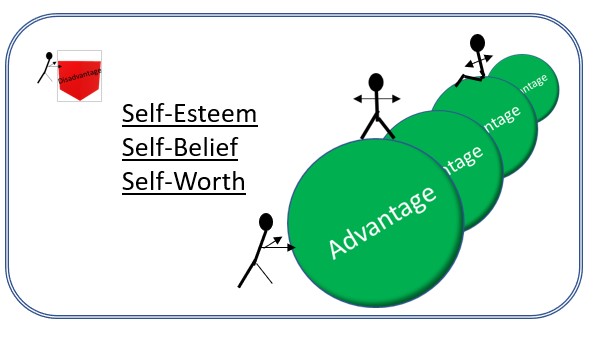
 Bring colour to a monochrome journey
Leave a comment